
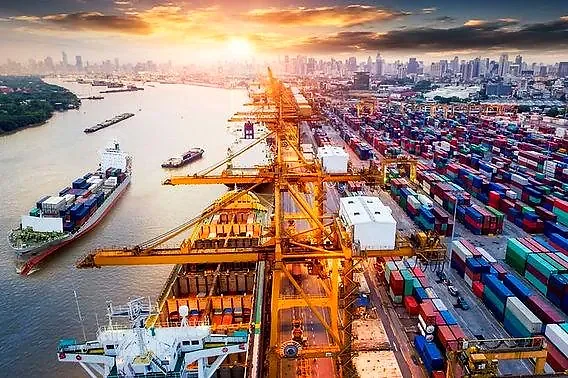
For a lot of importers, the charge that really hurts isn't the freight or the duty. It's the daily charges that kick in when cargo isn't cleared out of the port in time. At the Lagos ports these can mount up quickly, and with the right preparation you can nearly always avoid them.
Here's what demurrage is, how it differs from detention and terminal storage, why it builds up in Lagos, and the practical steps that stop you paying it.
In this guide
Demurrage, detention and storage: what's the difference?
People tend to call every late charge "demurrage", but there are actually three different charges, and they come from different places.
| Charge | Who charges it | When it starts | Where the container is |
|---|---|---|---|
| Demurrage | The shipping line | When a full container stays in the port after the line's free days | Inside the port terminal |
| Terminal storage | The terminal operator | When cargo stays in the terminal after its free storage period | Inside the port terminal |
| Detention | The shipping line | When the container isn't returned empty within the free time after it leaves the port | Outside the port, at your premises or on the road |
A delayed shipment can pick up more than one of these at the same time, so it helps to know which clock is ticking.
What is free time?
Free time is the number of days you get before these charges start. The shipping line and the terminal set it, and it varies by line, terminal, container type and whatever was agreed when the cargo was booked. Don't assume a number. Check the arrival notice, the line's published tariff and your booking terms, and find out exactly when the clock starts.
Once free time is up, you're usually charged per container, per day, and the rate often goes up in steps the longer the container sits there.
Why demurrage builds up at the Lagos ports
Most demurrage starts with paperwork that wasn't ready when the ship came in, rather than with the port itself. These are the usual causes:
- Form M opened late. The Form M should be opened through your bank before the goods ship. Open it after the vessel sails and you're behind from day one.
- Documents that don't match. The commercial invoice, packing list, bill of lading and Form M all need to agree on description, quantity, value and HS code. Nigeria Customs now processes Form M and the Pre-Arrival Assessment Report (PAAR) on its B'Odogwu system, and any mismatch leads to queries and holds.
- Missing product permits. Goods that need NAFDAC approval or SONCAP certification can be held until the paperwork's sorted.
- Examination and valuation queries. A wrong HS code or an undervalued invoice can mean a physical examination and an argument over duty.
- Duty money not ready. Nothing gets released until the duty's paid.
- Congestion and trucks. Delays getting in and out of the terminals, and a shortage of trucks when it's busy, eat into your free days.
- Empties returned slowly. Once the container leaves the port, the detention clock runs until the empty goes back.
How to avoid paying demurrage
- Open your Form M early, before your supplier ships, with the right HS codes and values.
- Get your supplier's documents right first time. Ask for drafts of the invoice and packing list and check them against the Form M before the goods leave.
- Start the PAAR as soon as you have the shipping documents, so it's ready before the vessel arrives.
- Sort permits in advance for regulated goods such as food, cosmetics, medicines and electrical items.
- Ask about free time when you book, and whether you can get extra free days for Lagos.
- Have the duty money ready before arrival, so payment isn't the thing holding you up.
- Book trucks ahead and know where the goods are going, whether that's your warehouse, a customer or short-term storage.
- Return empty containers quickly to the designated holding bay and keep proof that you did.
- Use one team for documents and clearing. When the same people prepare the paperwork and clear the cargo, problems get caught before the ship docks rather than after.
Already paying demurrage? What to do now
- Act today. Every extra day adds to the bill, and the rate often climbs the longer it goes on.
- Get a statement. Ask the shipping line and the terminal for a breakdown, and check the days and rates against their published tariffs.
- Ask for a waiver in writing if the delay wasn't your fault, for example vessel delays or a system outage. Waivers aren't guaranteed, but they are sometimes granted.
- Clear and return the container as fast as you can, and keep every receipt and the proof of empty return.
How Doubleway helps
We check invoices, HS codes and permits before your cargo moves, so problems are spotted at origin, not at the port. Our customs clearing service covers Form M, PAAR, duty assessment and payment, and release, and our quotes show freight, duty, our fee and delivery separately. You deal with one contact from booking to delivery, on WhatsApp or by phone.
Questions people ask us
What's the difference between demurrage and detention?
Demurrage is charged while a full container stays inside the port after free time. Detention is charged when a container is kept outside the port and not returned empty within free time.
Who pays demurrage in Nigeria?
Usually the importer, as the consignee. That's why getting your documents ready early protects your margin.
How many free days do you get at the Lagos ports?
It depends on the shipping line, the terminal and your booking. Check your arrival notice and the line's tariff, and ask about free time before you book.
Can demurrage be waived?
Sometimes, case by case, usually when the delay was outside the importer's control. Ask in writing and include evidence.
Does LCL cargo attract demurrage?
Shared-container cargo is handled differently, but storage charges can still apply if your goods aren't collected on time after unpacking. Ask your forwarder how long you've got.
Importing soon?
Send us your proforma invoice before your supplier ships and we'll check the documents and plan the clearing. WhatsApp us or ask for a quote.